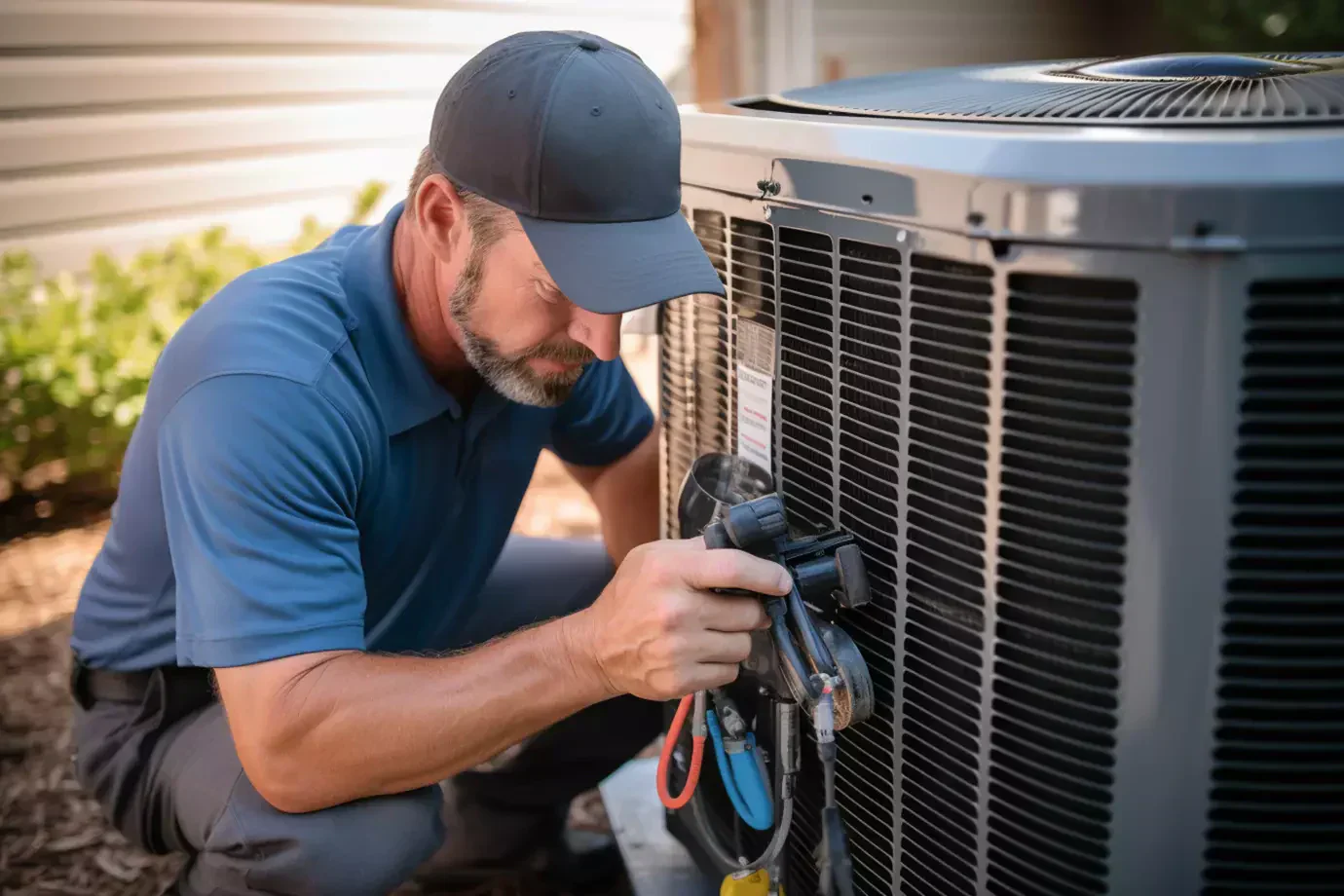
When Is It Time to Replace Your Air Conditioner?
Air conditioners naturally wear out over time, making them less efficient and more prone to breakdowns. As repair costs increase and performance declines, replacing your aging system can provide greater comfort, improved energy efficiency, and dependable cooling for years to come.
- Frequent repairs and rising maintenance costs.
- Higher energy bills despite regular system maintenance.
- Uneven cooling throughout different areas of your home.
- An aging unit nearing the end of its lifespan.
Frequent System Breakdowns
If your air conditioner requires repeated repairs every cooling season, replacement may be the more cost-effective option. A new system offers improved reliability, better performance, and greater peace of mind during the hottest months.
Replacing an aging air conditioner improves efficiency, reliability, and overall indoor comfort.
Why Replacing Your Air Conditioner Is a Smart Investment
Installing a modern air conditioning system provides better energy efficiency, consistent cooling, and lower operating costs. New equipment also offers advanced features that improve indoor comfort while reducing the likelihood of unexpected repairs.
- Lowers monthly energy costs through improved efficiency.
- Delivers more consistent cooling throughout your home.
- Reduces unexpected repairs and service interruptions.
- Increases long-term comfort and system reliability.
Rising Energy Bills
Older air conditioners often work harder to maintain comfortable temperatures, using more energy than necessary. Replacing your outdated unit with a high-efficiency system can significantly reduce utility costs while improving overall performance.
Conclusion
Replacing your air conditioner at the right time helps improve comfort, reduce repair expenses, and increase energy efficiency. Investing in a modern cooling system ensures dependable performance and reliable indoor comfort for many years to come.